
 Research Services


Ghazi Alsbeih
Principal Scientist / Team Leader
Overview
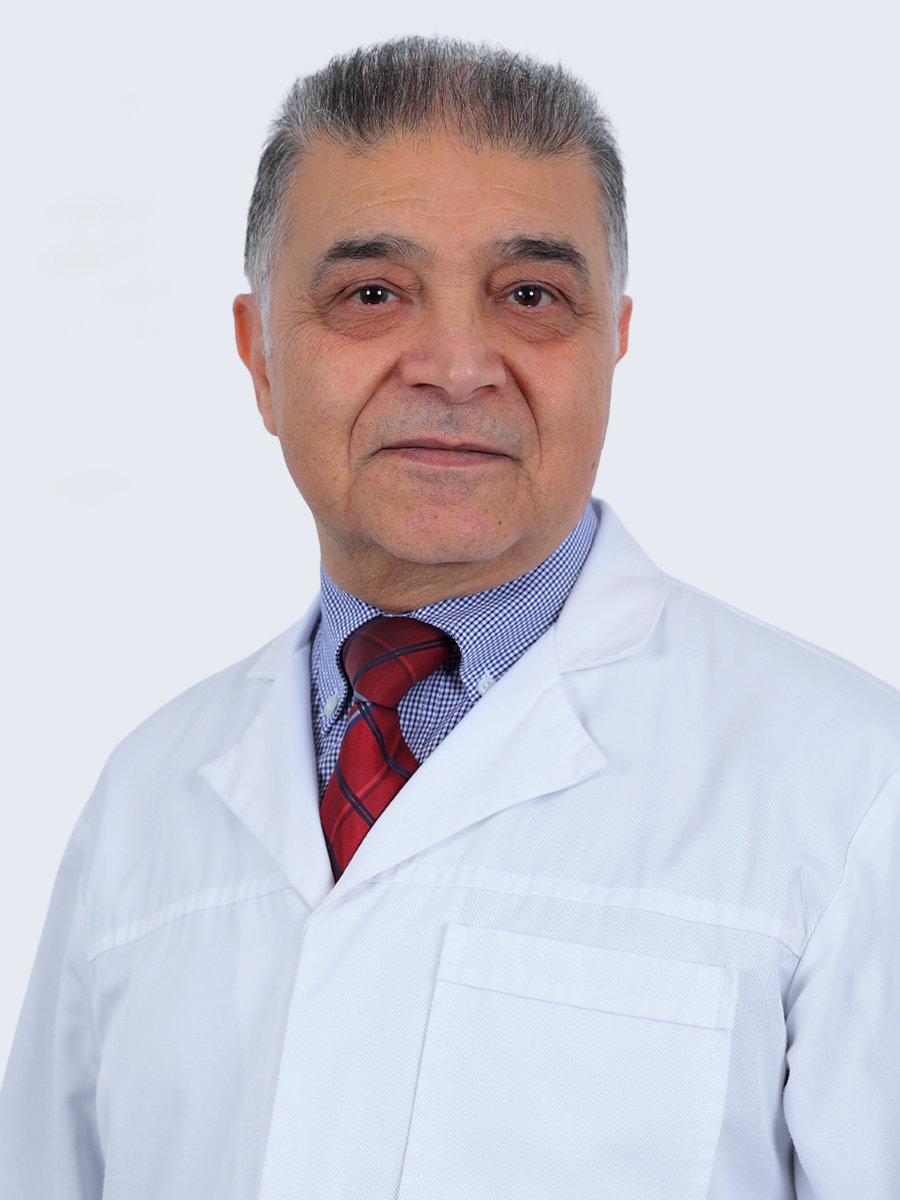
Dr. Ghazi Alsbeih is a Principal Scientist and Team Leader, Head of the Radiation Biology Laboratory at KFSHRC. With an academic foundation from the University of Paris-XI (Paris-Saclay) and advanced postdoctoral training at Ottawa Regional Cancer Centre and the MD Anderson Cancer Center, he is an expert in radiobiology and radiopathology.
Currently, Dr. Alsbeih leads the establishment of the National Biodosimetry Laboratory, a critical initiative designed to bolster Saudi Arabia’s emergency response to radiological incidents. His research focuses on the genetic basis of radiosensitivity, specifically identifying particular mutations in genes involved in radiation response, possible association with cancer predisposition, and the interaction with viral “HPV” oncogenes.
By investigating innovative radioprotectors and molecular biomarkers, his work aims to bridge the gap between bench science and clinical application, seeking to individualize radiotherapy and significantly improve outcomes for cancer patients through precision medicine.
Fields of Expertise
Radiobiology
Radiopathology
Biodosimetry
Radiation Oncology
Career Background
Dr. Alsbeih is a Principal Scientist in Innovation & Research and heads radiation biology at KFSHRC. He is also the Chairman of the Research Safety Committee, and Risk Officer and Head of the Research Safety Section. He is was an adjunct Associate Professor at Alfaisal University, Riyadh, and continues to supervise MSc and PhD theses.
Dr. Alsbeih began his career as a physician, graduating from the University of Damascus, Syria, then earning a national award to specialize in radiation oncology research in Belgium and France. He pursued radiobiology and radiopathology, ultimately obtaining a PhD in this field from the University of Parix XI, France. His post-doctoral training was completed at Ottawa Regional Cancer Centre, Canada and MD Anderson Cancer Center, USA.
Dr. Alsbeih joined KFSHRC in 2000 and has contributed greatly to research, especially in the genetic basis of cancer predisposition and their potential interaction with viral oncogenes, including HPV. He is currently establishing a national Reference Biodosimetry Laboratory to enhance the nation’s emergency response to cases of radiological accidents.
He is a member of the International Organisation for Standardization (ISO), Technical Committee 85/ Subcommittee 2/ Working Group 18 and the Saudi Standards, Metrology and Quality Organisation (SASO). He is also a member of the WHO and IAEA Biodosimetry Laboratories Network (BioDoseNet) for radiation emergencies.
Awards & Accreditations

Sheikh Hamdan Award 2010
National Patient Safety Award 2020
Excellent Poster Award ICRR 2015
KFSHRC Best Annual Publication
SIT Award 2009
Travel Award ICRR 2007
SIT Award 2006
Student Travel Award RRS 1998
Beta Version